Sending us a job
Here is how work is usually sent through to Brockett, from the first enquiry to collection from the Sunnyrock workshop. Clear information at the start helps the job move properly.
Start with an enquiry
The usual starting point is the contact form. Send through what you need rolled, along with any drawings, sketches, templates or samples that show the shape and size required. It also helps to include the material details you have, especially if the job involves sheet, plate or a section such as angle, flat bar, channel, tube or beams.
Good information at the start makes it easier to assess the work properly. If anything is unclear, Brockett replies with questions so the job can be understood before quoting. If you are preparing drawings, the notes in drawing a part for rolling may help you set the job out more clearly.
What to send with the job
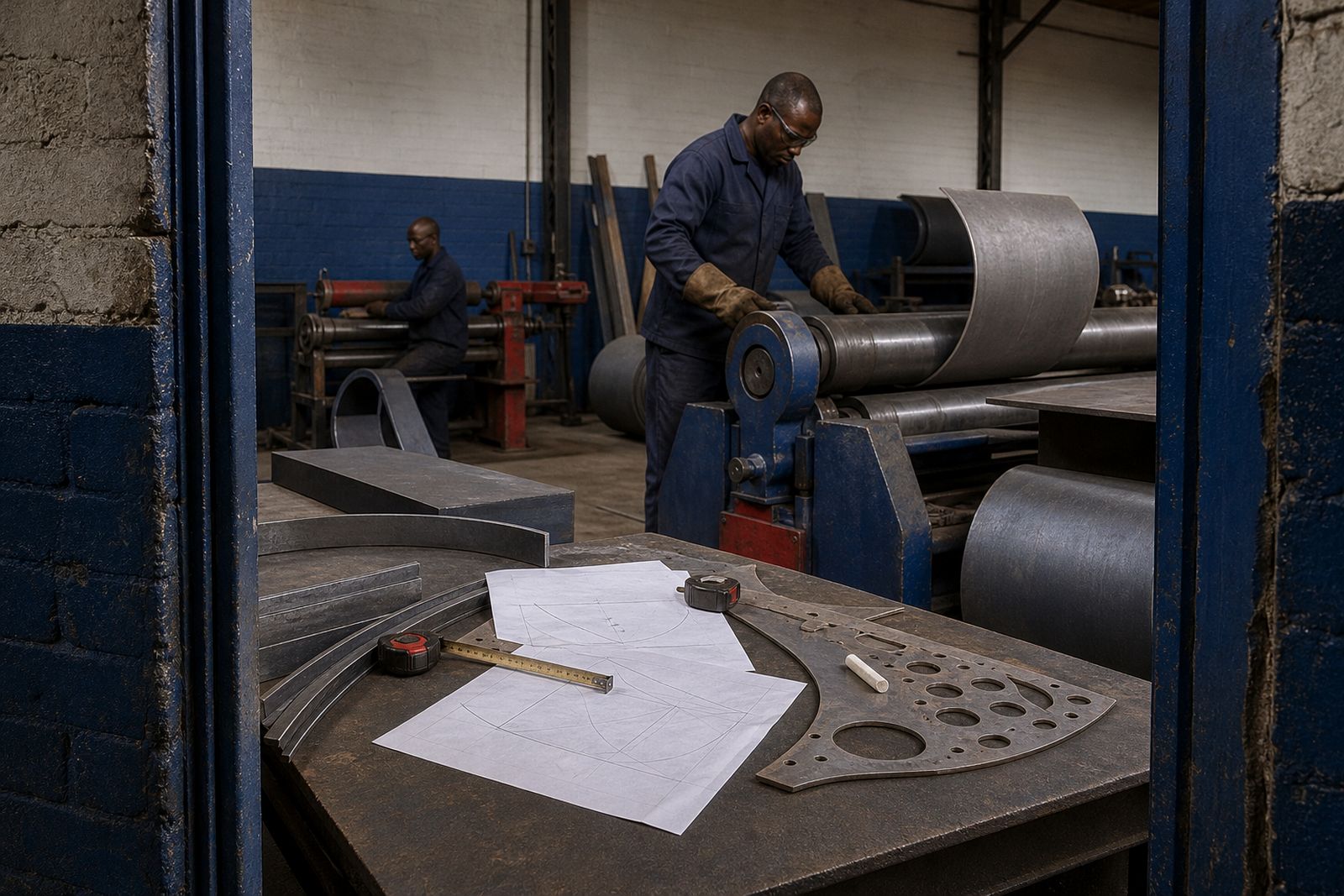
Drawings are often the clearest way to show the work, but they are not the only way. Many jobs also come in with a physical template, a sample part, or a simple sketch with the main dimensions and material information. The aim is to show the required curve or formed shape well enough for the workshop to work from.
- Drawings, for parts set out with sizes and radii.
- Templates, when an existing curve needs to be matched.
- Samples, for replacement or repair work.
- Material details, including what the steel is and whether it is sheet, plate or section.
If you are unsure what information to include, Brockett can come back to you with the points needed for a written quote.
Material and quoting
Once the enquiry details arrive through the contact form, Brockett reviews the job and issues a written quote, or asks follow up questions first if something still needs to be confirmed. Quoting is based on the information supplied, so complete details help avoid delays and reduce back and forth.
Material can be supplied by the customer. If material sourcing needs to be discussed, mention that in the enquiry so it can be considered with the rest of the job information. For a practical guide to thickness and material notes, see material and thickness.
Dropping off and workshop rolling
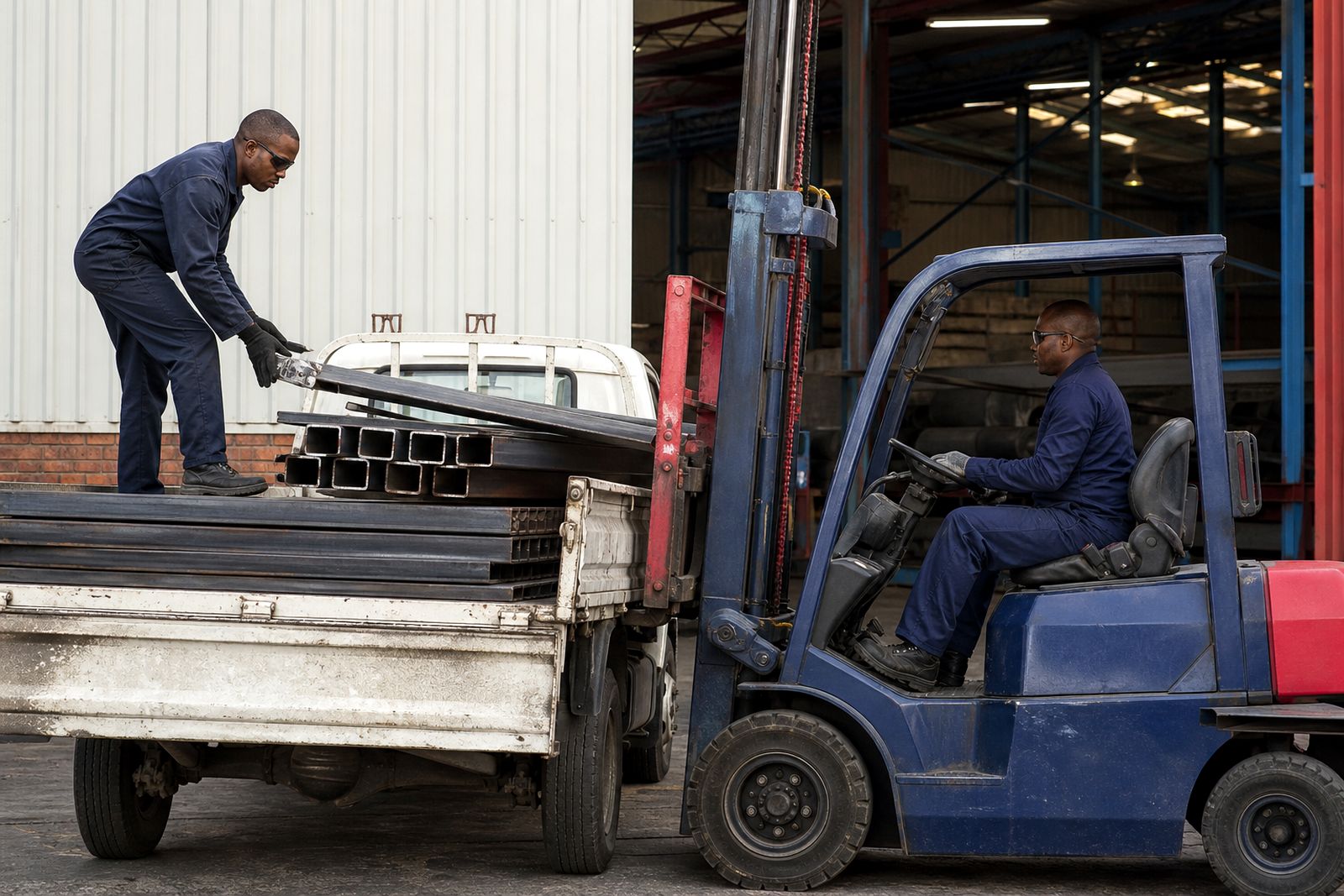
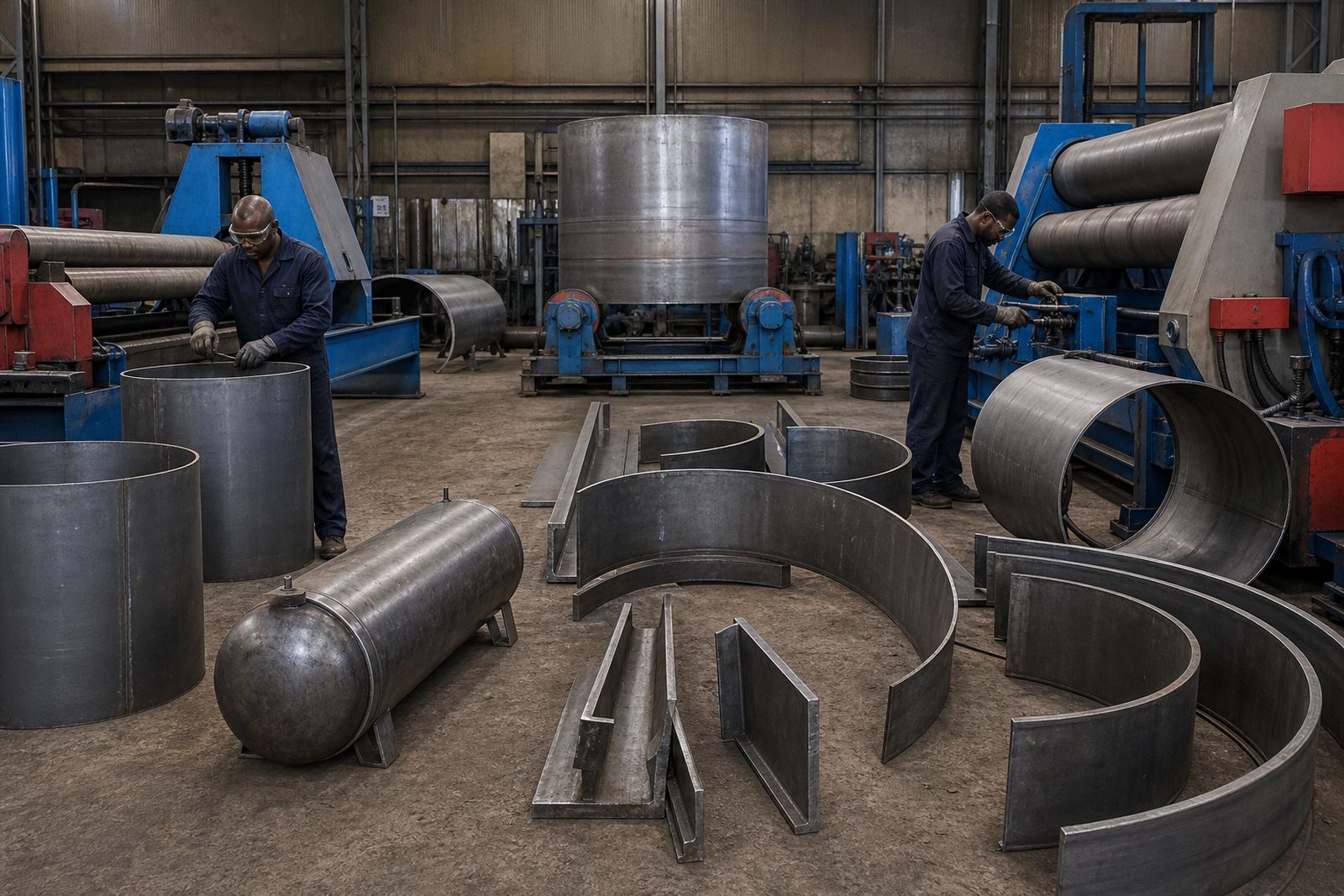
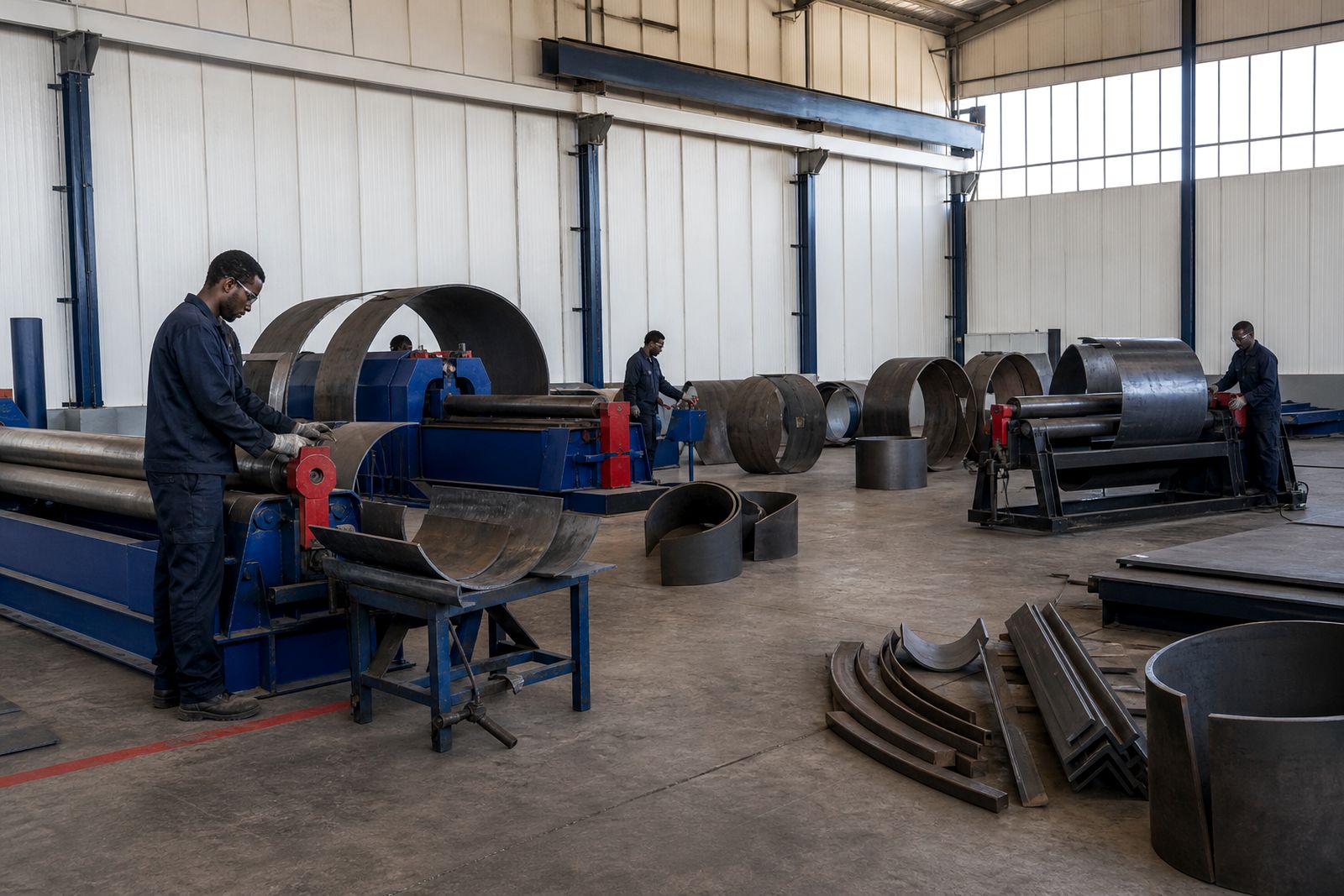
All rolling, curving and forming is done in Brockett's own workshop at 2 Makro Place, Sunnyrock 1401, Germiston. Customers can drop material off at the workshop, then collect the finished parts once the work is complete. If preferred, customers can also arrange their own transport or courier for both delivery and collection.
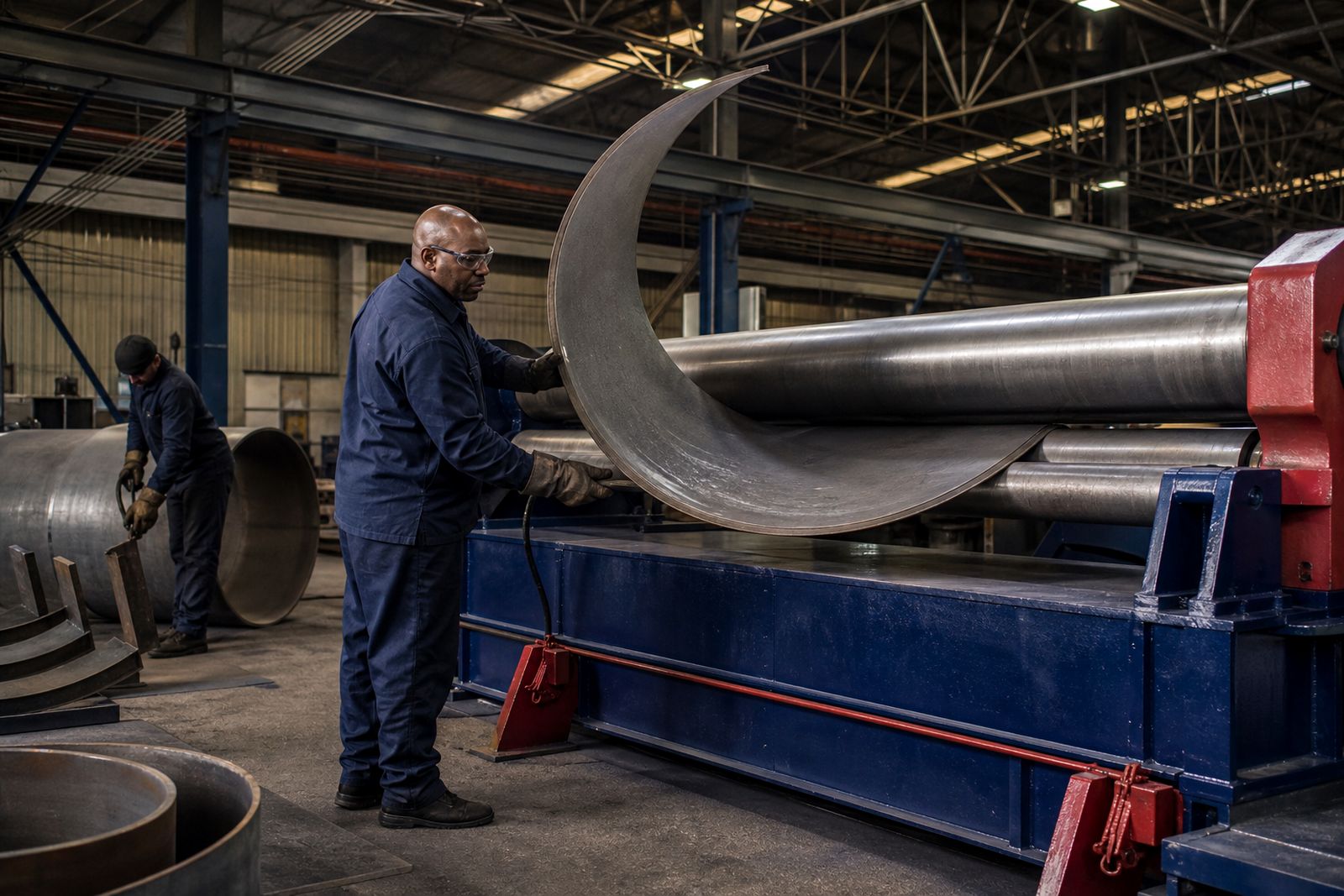
The workshop works from the drawings, templates or samples provided. Parts are rolled to size for fabrication and repairs, including work for tanks, ducts, structural parts and related trade work. After collection, your own team or fabricator can take the rolled parts forward into welding and assembly.
Collecting and checking parts
When collecting finished work, it is sensible to check the parts against the original drawing, template or sample while everything is still together. That makes it easier to confirm that the curves, shapes and quantities match what was sent in for rolling.
If someone else is collecting on your behalf, send them with the relevant job information so they can check properly before loading. The workshop can release the finished work to your own transport or courier from Sunnyrock, Germiston. For practical checking points, see checking a rolled part, or send your enquiry through the contact form.
What our Steel Rolling customers say
Verified Google reviews
Also worth a look
Tell us about the part you need rolled
Send a note through our contact form with your drawing or sketch, the material and thickness, the sizes and quantities, and how the steel will reach our Sunnyrock workshop, and we will come back with questions or a written quote.
Open the contact form